

Pay per click (PPC) affiliate programs offer a lucrative way to spread the word about your brand. What’s more, they’re relentlessly fierce and competitive. There’s no shortage of affiliate programs in the pay per click industry.
Experienced marketers and influencers are one of your greatest resources for making money with PPC. They have the right knowledge and expertise to promote your products and services. Why? They know just how to help you build up your target audiences in ways that keep them engaged and inspire brand loyalty.
We’re going to take a deeper dive into what pay per click affiliate programs are and how to choose them. That’s not all! We’ll also enlighten you about some of the most effective pay per click affiliate programs.
What Are Pay per Click Affiliate Programs?
First things, first. Let’s get a better understanding of what pay per click programs are and what they can do for you.
In a nutshell, other website owners allow a marketer to place an ad on their websites in exchange for a small commission on each sale you make as a result of the affiliation. Such website owners are referred to as affiliates. In a sense, they become your partners. To put it another way, an affiliate makes a profit by promoting your products and services.
There’s a stake in it for marketers too. As visitors view the affiliate’s website and see your ads, you generate revenue with impressions, clicks, and leads. Whether you realize it or not, affiliates are out there looking for companies just like yours. They actually want you to display ads on their sites.
And, how do affiliates get their money? Affiliate links from one website to another track the sales on a click-by-click basis.
Affiliate programs are free to join and nearly every major company has one. When you join an affiliate program, you’ll get a unique tracking link to share on your website or any of your social media platforms. These links can also be shared on YouTube, podcasts, and email lists.
Are Pay per Click Affiliate Programs Legit?
In a word, yes. Pay per click affiliate programs are legitimate ways to make money. In fact, they’re also a direct way to make money. Why? Because the marketer takes care of all the inventory, billing, and shipping.
The best way to make money using PPC affiliate marketing is to find the most effective PPC affiliates. What constitutes an effective affiliate? Well, it’s one that already has a large audience that might also be interested in your company’s products or services.
Who are these affiliate types anyway?
- Bloggers
- Social media influencers
- Websites with large digital platforms
- Anyone else who has a large online presence
If you’re a startup, it’s going to take time to identify your target audience segments and build a following. When you partner with an affiliate, you reach your target audience faster because your affiliates already have a steady stream of followers that match your target customers. Steady streams are good. They keep flowing, and hey, an occasional flood isn’t a bad thing either.
Here’s the other great thing about making money with PPC affiliate marketing — it’s easy to do. All you need to do is set up your ads. Affiliates don’t usually have any trouble collecting up on commissions because marketers make money with every sale the affiliate generates. Talk about a win-win situation!
Here’s something else you should know. Most merchants prefer to pay for highly qualified leads like people that sign up for their newsletter or use a contact form. That’s because of the problem with click fraud, those nasty little bad bots that repeatedly click on ads for malicious purposes.
How to Choose the Best Pay per Click Affiliate Program?
Now that you have the skinny on how it all works, let’s dig into how to choose the best pay per click affiliate programs.
So, who is involved in PPC affiliate marketing partnerships? There are 3 main players in a PPC affiliate program:
- Product creators and sellers
- The advertiser or affiliate
- Consumers
Let’s take a look at the first two and the role they play in a successful PPC affiliate partnership.
If You Are a Blogger or Site Owner
Potentially, you could display your ads on any website. It won’t do you any good if they don’t have the right customers for your products and services or worse, they don’t have an audience at all.
Audience sharing can come in the following forms:
- A mailing list
- A social media following
- Running paid ads
There’s no doubt that making money with PPC affiliate marketing can be a profitable venture. That said, with a few expert tips, you can identify the most effective PPC affiliates.
Does your website get a good amount of traffic related to paid search? If so, simply mention or offer up an in-depth review on your website of one of the top pay per click affiliate programs listed here to help your audience learn about the newest and most effective PPC tools.
As a word of caution, don’t get too hung up on commission rates. You’ll get better results if you focus on these three things:
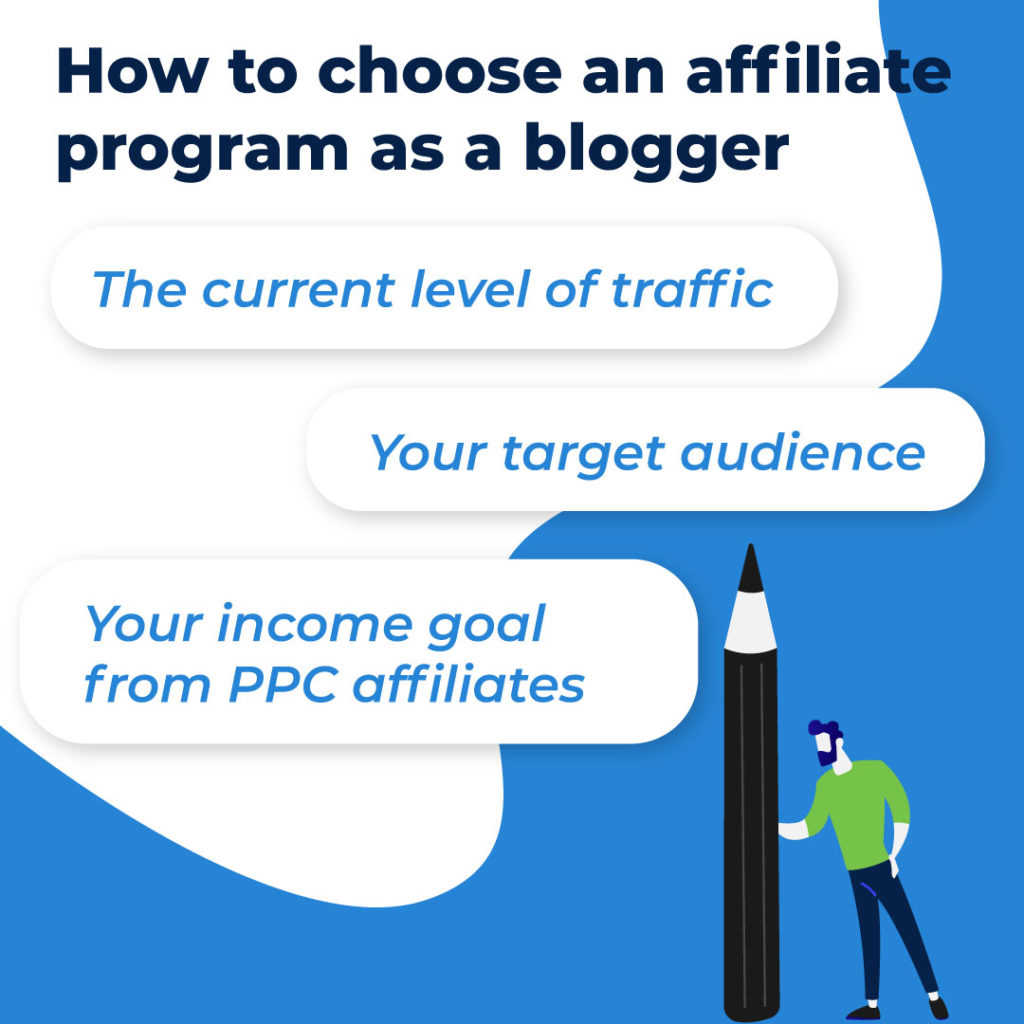
- The current level of traffic
- Your target audience
- Your income goal from PPC affiliates
Here are a few more tips:
- Find a hot niche and negotiate a reasonable payout for that niche
- Aim to get a commission based on a per-sale basis
- Always be transparent about your affiliation
- Know your audience
Depending on your agreement, you can either earn residual income or get paid per sale up to $7500 with legitimate programs.
If You Are a Business Owner
Scratching your head wondering where to find affiliates to partner with? The first step is to find an affiliate marketing platform where you can start building relationships. Essentially, this is a third-party platform that connects publishers and merchants. Think of it as one-stop shopping for brands and marketers.
To have success, be clear on these things first:
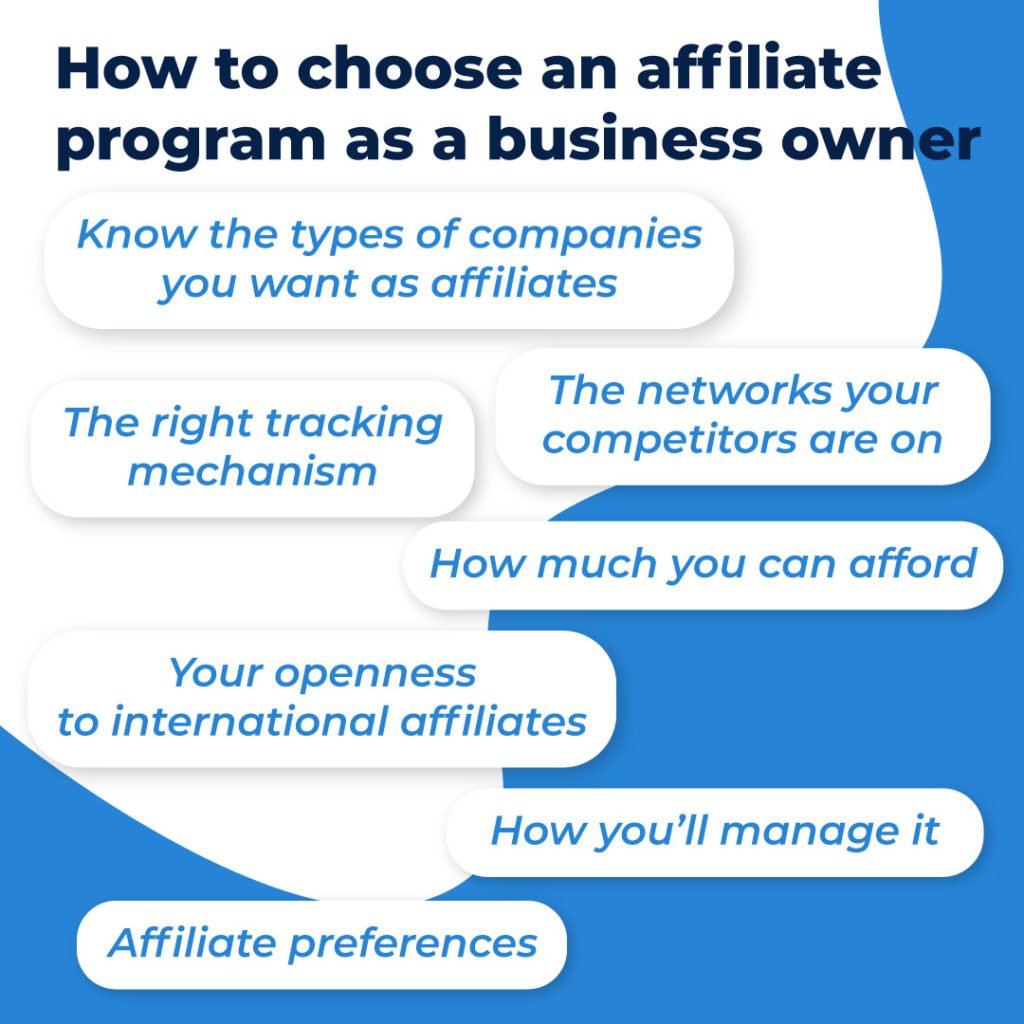
- Know the types of companies you want as affiliates
- The networks your competitors are on
- The right tracking mechanism
- How much you can afford
- Your openness to international affiliates
- How you’ll manage it
- Affiliate preferences
The next piece of sage advice is to set a time to ask lots of questions with your shortlist of preferred affiliates.
Top 10 Most Effective Pay per Click Affiliate Programs
Now for the top 10 most effective pay per click affiliate programs:
#1 Media.net
Yahoo! partnered with Media.net and built an ad network that rivals Google AdSense. This network allows you to place display, contextual, and native ads on your website and cash in until the cows come home.
#2 RevenueHits
This is a fairly new network. As a self-serve network, RevenueHits popular with many publishers. You have the option of earning on both a CPC and CPA basis. You also have access to various ad formats like notifiers, sliders, and shadowboxes which yield some of the highest commissions.
#3 Skimlinks
If your business is in North America, Europe, or APAC, Skimlinks might be a good choice for you. You’ll have access to over 48,000 merchants and you get some control over the ads that appear on your site.
#4 Infolinks
This network allows you to monetize all the unused space on your website. Native ads won’t affect the visitor’s experience at all. Every advertiser sets their own CPM, so it’s tough to estimate earnings, but the payouts can be high.
#5 Adblade
This is a self-service native ad platform that has the potential for three times better revenue than other networks.
#6 Outbrain
Outbrain doesn’t sell products — it helps advertisers get a better reach for their content. To get revenue, publishers have to incorporate smart feeds and videos. It’s a smart choice for websites that attract over 10 million views per month.
#7 Taboola
Your site has to drive at least a million page views per month to gain access to Taboola, which makes sense considering you get access to the New York Times, Business Insider, and the like. You also get a dashboard with actionable data insights. And it enables A/B testing content feeds for some of the highest possible CTRs.
#8 Adcash
Adcash is another self-service model. Don’t be put off by the performance-based revenue model. Features like geo-targeting, device targeting, and language targeting make this network a contender.
#9 MintClicks
Regardless of how much or little traffic you have, MintClicks is worth a look, especially if you want to automate your PPC ads. This network detects your keywords and delivers ads accordingly. Just beware of a few restrictions on their platform.
#10 Revcontent
This network boasts rates that are 30% to 50% higher than other ad networks and there are no traffic restrictions to join.
PPC affiliate marketing can yield a big payoff as a second revenue stream when you go about it purposefully. It’s a viable, legitimate way to work with sellers to draw a passive income without producing an actual product or service. As a final word of caution, keep the needs and interests of your target audience in mind as you choose affiliates. Always read the affiliate’s terms and conditions and check out their reviews.
Interested in learning more about making money with PPC affiliate marketing? Read all about it on the ClickGUARD blog.